
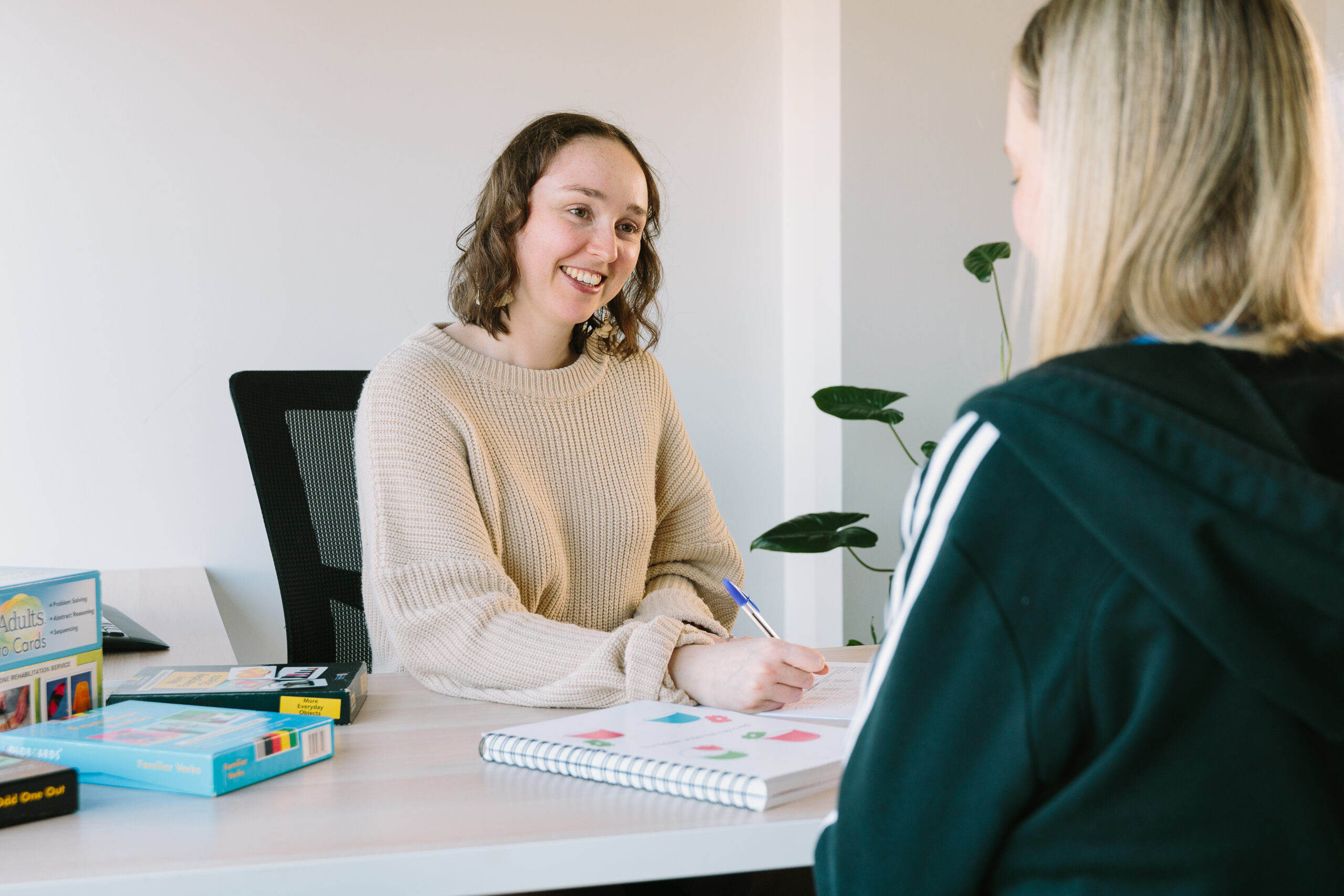
At ONE Rehabilitation Service, we support individuals living with the complex and often life-changing effects of brain injury.
Concussion is a form of acquired brain injury. While many people recover within days, some experience symptoms that persist well beyond the initial window and that’s where our team comes in.
At ONE Rehabilitation Service, every one of our clinicians holds an exclusive focus in brain injury and neurological conditions. That means when you come to us for concussion care, you’re working with people who understand this injury deeply not as one condition among many, but as something they help with everyday.
We provide evidence-based, interdisciplinary concussion rehabilitation for adults aged 16 and over in Adelaide and South Australia. Whether you’ve been referred by your GP or are seeking support independently, we make it straightforward to access the care you need.
To make an appointment with us immediately, please call us on (08) 7226 3223 during office hours (9am-5pm, Mon-Fri). Otherwise, make a referral and we will be in touch soon.
Concussion management made easy
When symptoms don't resolve on their own
1 in 5
people experience
persistent symptoms
after concussion
What Is a Concussion?
Concussion is a mild traumatic brain injury (mTBI) caused by a force to the head. It doesn’t always involve a loss of consciousness.
While most healthy adults recover within 10 days, some people continue to experience symptoms beyond two to three weeks. This is known as persistent-concussion symptoms (PCS), and it can affect every aspect of daily work and study to relationships and wellbeing.
Common causes include sporting injuries, falls, motor vehicle accidents, and workplace incidents.
What does Concussion feel like?
Physical Symptoms
- Headaches
- Dizziness or balance issues
- Nausea
- Fatigue
- Sensitivity to light or noise
- Visual disturbances
Cognitive Symptoms
- Brain fog
- Memory difficulties
- Trouble concentrating
- Slowed processing
- Word-finding difficulties
Emotional & Behavioural Changes
- Irritability
- Anxiety
- Low mood
- Emotional dysregulation
Sleep
- Sleeping more than usual
- Difficulty falling asleep
- Disrupted sleep patterns
Every person’s experience is different, which is why personalised, interdisciplinary support is essential.
Interdisciplinary Concussion care
Concussion can affect you physically, cognitively, emotionally, and socially. That’s why our care is interdisciplinary; your clinicians collaborate across disciplines with a shared understanding of your goals, so every aspect of your recovery is considered together, not in isolation. Your assessment and rehabilitation program will be individualised and targeted to your specific needs for recovery.
Neuro Physiotherapy
Addressing dizziness, balance issues, neck pain, headaches, and physical deconditioning. Your physiotherapist will design a graded return-to-activity program tailored to your symptoms and goals.
Psychology (Brain Injury)
Addressing the psychological impact of concussion, including anxiety, low mood, adjustment difficulties, and the cognitive effects that can follow a brain injury. Our psychology services are focused exclusively on brain injury and neurological conditions.
Neuro Occupational Therapy
Helping you return to meaningful daily activities; work, study, driving, and home life. Your Occupational therapist will support cognitive rehabilitation and practical strategies for fatigue management and daily function.
Neuro Speech Pathology
Neuro Exercise Physiology
Supporting safe, graduated return to physical activity. Your exercise physiologist will help you build cardiovascular tolerance and manage fatigue, vital elements of concussion recovery.
Neuro Social Work
Providing support, counselling, and advocacy as you navigate the personal and practical challenges that concussion can bring including impacts on work, relationships, and emotional wellbeing.
Every person’s experience is different, which is why personalised, interdisciplinary support is essential.
ONE Rehab Concussion Clinic
We offer a dedicated Concussion Clinic for people experiencing persistent post-concussion symptoms. Get comprehensive concussion management from clinicians who work exclusively in brain injury and neurological rehabilitation.
Why Choose ONE Rehabilitation Service?
Neurological focus
Interdisciplinary team
Evidence-based practice
One referral, one team
Goal-centred care
Compassionate clinicians
How to access concussion care
Step 1
Refer or contact us
Call us directly on (08) 7226 3223 to book an initial assessment, or ask your GP or treating practitioner to make a referral on your behalf.
Step 2
Initial assessment
Your clinician will complete a thorough assessment of your symptoms, history, and goals to build a clear picture of where you’re at and what you need.
Step 3
Begin your personalised plan
Work with your team of clinicians on a rehabilitation program that is individualised and targeted to your specific needs for recovery.
Ready to get started?
Call us directly to book an initial assessment, or make a referral on behalf of your client.
Our difference
The ONE Rehabilitation Service Difference
Outcome-Centred
We put client goals at the centre of everything we do, and encourage our clients to look ahead and build toward outcomes that are meaningful to them.
Neurological Focus
Interdisciplinary
You can see a team of therapists who collaborate with all people involved in your care. With a shared focus, we can make a larger impact in your progress.
One-Point Referral
We offer a simple referral process with our Referrals Coordinator to make it easy for you to access the services you need.
Impactful Support
We don’t simply offer treatments; we aim to provide care where it’s most needed and build a community around our clinic where people find support.
Compassionate Clinicians
Our whole team shares a depth of experience in Acquired Brain Injury (ABI), and show patience, compassion and understanding of the unique challenges our clients experience.
Fees and Funders
Services Australia Care Plans
Medicare Chronic Disease Management Plans (CDM), Mental Health Care Plans (MHCP), and Team Care Arrangements (TCA)

Private Healthcare
Please contact your private health fund to see what rebate you are eligible for.
Full fee paying (16+)
You are able to access our services by paying the full rate (out of pocket). Phone (08) 7226 3223 for details on fees and to book your initial assessment.
Eligibility:
- 16 and over.
Return to work SA (RTWSA)
For further details, visit the Return to Work SA website.
For more information about ADF Bupa visit their website.
Eligibility:
- Sustained an injury at work during paid employment.
- Australian citizen.
Lifetime Support Authority
For further details on eligibility and to access the application form please visit the LSA website.
Eligibility:
- Sustained very serious injury in a motor vehicle accident, regardless of fault, from July 2014 onwards.
NDIS
We can accept NDIS participants who are self-managed or plan-managed. For more information visit the NDIS website.
Eligibility:
- Permanent disability
- Australian citizen
How to work with us
We offer a streamlined referral process to make your journey to finding care as simple as possible.
Step 1
Be referred by practitioner/support or book in your introductory session.
Step 2
Meet with Referrals Coordinator for a sit-down chat to discuss the options we offer, and see how our service can benefit you.
Step 3
Work with your personalised team of clinicians on creating your support plan.