
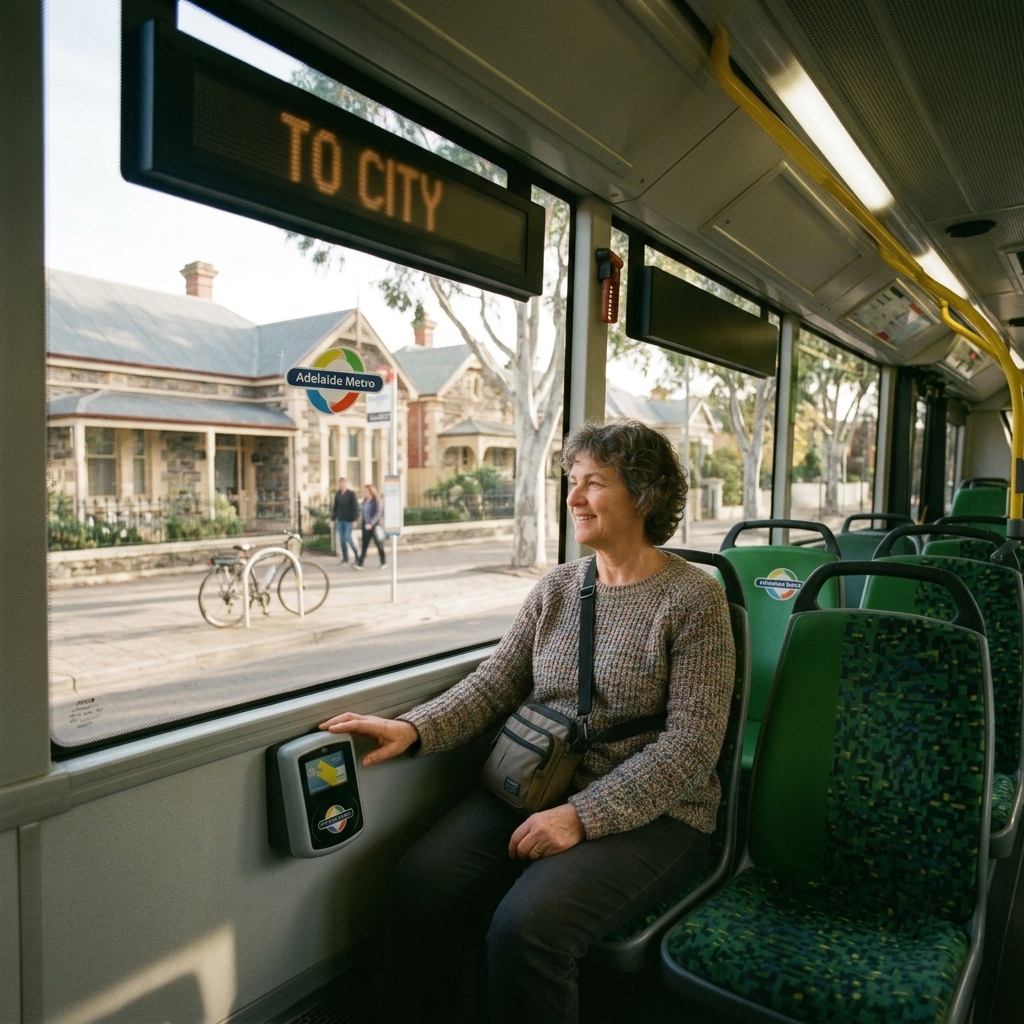
Losing the ability to drive after a brain injury, stroke, or neurological condition can feel like losing a part of your independence. For many people, driving means freedom getting to appointments, catching up with friends, or simply running errands without relying on others.
So, when medical or physical changes mean you can no longer drive safely, it’s completely normal to feel frustrated, isolated, or unsure how you’ll manage. The good news is that there are many practical ways to stay mobile and connected, and our social work team at ONE Rehabilitation Service can help you find them.
🧩 Why Driving Can Become Difficult
After neurological injury or illness, driving can be affected by:
- Changes in vision or reaction time.
- Cognitive fatigue or reduced attention span.
- Weakness or reduced coordination in one side of the body.
- Slower decision-making or problem-solving.
- Medication side effects or seizure risk.
These challenges don’t just impact road safety, they also affect confidence. Many people tell us they avoid driving because they feel anxious or unsure if they’re still legally allowed to.
A social worker can help you make sense of your options and find ways to stay independent, even without getting behind the wheel.
🧭 How a Social Worker Can Help
Our social workers support people through the emotional, financial, and practical changes that come with losing a licence or adjusting transport routines.
1️⃣ Explore Transport Options
We’ll help you explore safe and affordable transport alternatives, including:
- Community transport programs for medical or therapy appointments.
- Access Taxis or ride-share schemes with disability support.
- Public transport training or travel companions to rebuild confidence.
- Family and community networks that can share the load.
If you’re eligible, we can also help you apply for transport subsidy schemes or mobility concessions to reduce ongoing costs.
2️⃣ Coordinate with Your Rehabilitation Team
Social workers liaise with your physiotherapists, occupational therapists, and medical team to ensure your transport plans are realistic, safe, and aligned with your rehabilitation goals. They can help adjust therapy schedules to minimize travel stress and maximise independence.
3️⃣ Support Emotional Adjustment
Losing the ability to drive isn’t just logistical, it can affect your sense of freedom and identity. Social workers provide a safe, non-judgmental space to process feelings of grief, frustration, or anxiety. They teach coping strategies, build resilience, and help you develop confidence in new routines.
4️⃣ Build Daily Living Skills
Social workers can also support practical life adjustments, like planning errands, coordinating schedules, or learning new routines to maintain independence. They can suggest adaptive strategies for shopping, attending appointments, and social outings without needing to drive.
5️⃣ Help You Stay Engaged in the Community
We connect you to local groups, volunteering opportunities, educational programs, or hobbies that match your interests. Maintaining social connections and purposeful activities supports mental health, reduces isolation, and enhances overall wellbeing.
6️⃣ Advocate and Problem-Solve
Social workers act as advocates for your needs. They can:
- Liaise with service providers, medical teams, and family members
- Help negotiate solutions to financial or logistical barriers
- Support conversations about changing roles in the household
- Navigate access to government services, NDIS supports, or community programs
By addressing both practical and emotional challenges, social workers help you retain independence, confidence, and connection, even when driving is no longer an option.
🌱 Independence Looks Different for Everyone
Independence doesn’t have to mean driving. It’s about staying connected, making choices, and continuing to participate in life in ways that matter to you.
Our social workers help you rebuild confidence, find new routines, and maintain control over your daily life, because recovery is about adapting, not giving up.
✨ Taking the Next Step
If you’ve lost your licence after a brain injury, stroke, or neurological condition, you don’t have to lose your independence.
📞 Contact ONE Rehabilitation Service to arrange a social work consultation.
Together, we’ll help you explore transport options, access funding supports, and stay connected to the people and activities you care about.
Because independence is about more than driving — it’s about living life your way.