
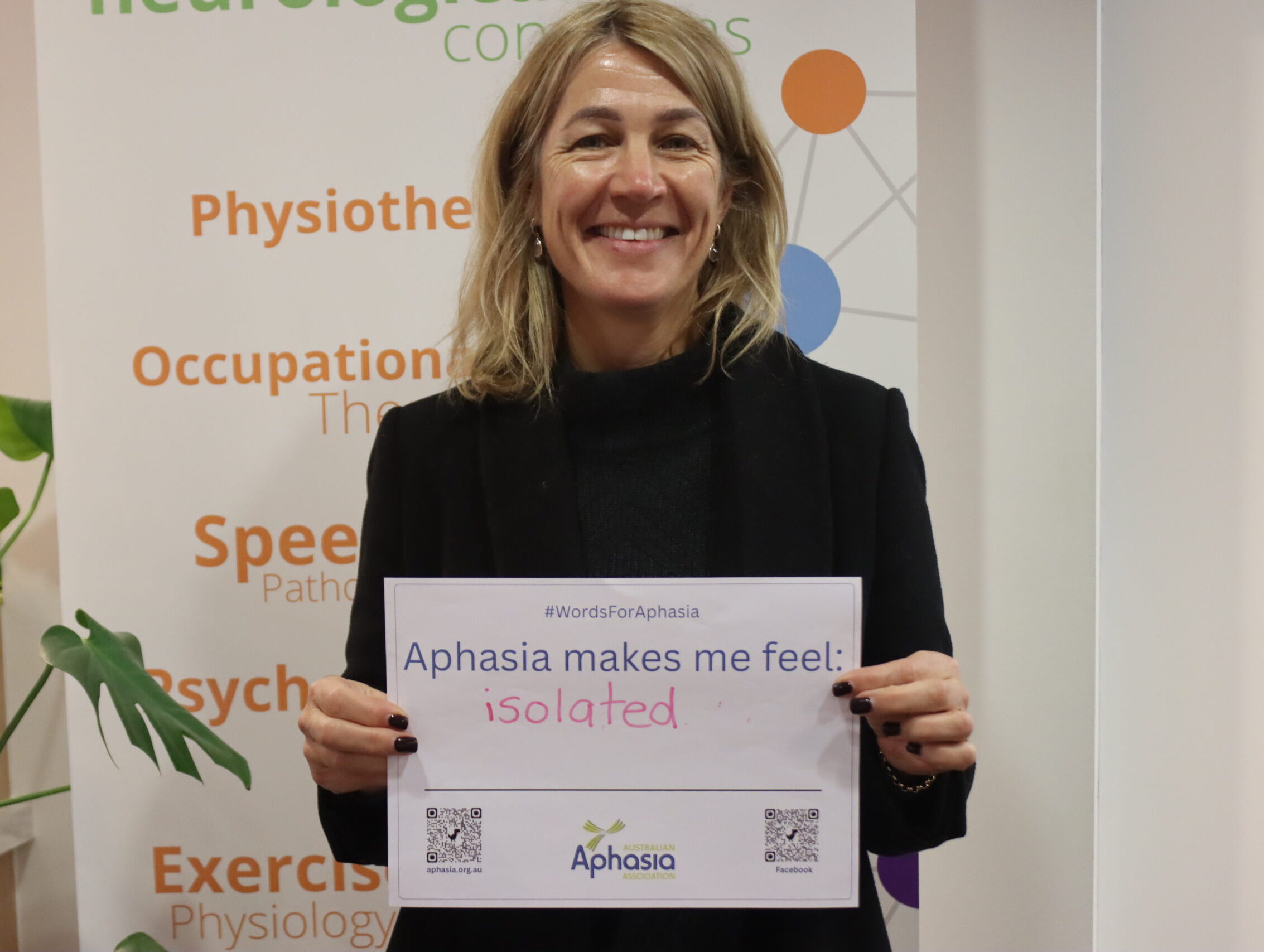
After a brain injury or stroke, many people notice changes in how they speak, understand, or express themselves. Words might not come as easily, sentences can feel jumbled, or conversations may take more effort than before. These changes can be isolating – but you don’t have to navigate them alone.
At ONE Rehabilitation Service, our Speech Pathologists support people every day to rebuild communication, confidence, and connection. Recovery is an ongoing process, and there are many ways we can help you or your loved one find your voice again.
Why Communication Can Change After a Brain Injury
The parts of the brain responsible for language, speech muscles, and comprehension are often affected after a brain injury or stroke. You might notice:
- Difficulty finding the right words
- Slurred or unclear speech
- Trouble understanding others
- Challenges with reading or writing
- Difficulties with social communication
- Difficulties following and contributing to conversations.
Fatigue, stress, and sensory overload can make these challenges more noticeable. The good news is that the brain can learn new ways to communicate through practice, strategy, and therapy – this is called neuroplasticity.
- Rebuild Language Skills Through Targeted Therapy
Speech Pathologists use evidence-based techniques to strengthen communication pathways in the brain. Therapy might include:
- Repetition and naming exercises to help retrieve words
- Practice forming sentences and improving fluency
- Visual or written supports to reinforce understanding
- Personalised home exercises to keep progress going between sessions
These sessions are tailored to your goals – whether that’s returning to work, joining conversations with friends, or confidently ordering your morning coffee again.
- Improve Understanding and Everyday Conversations
Communication is more than just talking – it’s about connection. Speech Pathology can help you learn strategies to make daily interactions easier, such as:
- Slowing down conversations and using pauses
- Using gestures, writing, or technology to support speech
- Practising real-life communication situations in therapy
Family members are often included in sessions so they can learn helpful ways to support communication at home.
- Explore Assistive Technology
Modern communication tools can make a big difference. Your Speech Pathologist can recommend devices or apps that support speaking, writing, or understanding, such as:
- Text-to-speech or voice-output apps
- Visual cue cards or communication books
- Smartphone shortcuts for common phrases
These tools help you stay connected and independent, while reducing frustration.
- Strengthen and Improve Speech Clarity
If your speech sounds slurred, quiet, or hard to understand, you may be experiencing dysarthria – a common effect of neurological injury. This happens when the muscles that control your lips, tongue, and breath aren’t working as smoothly as before.
Speech therapy can help improve clarity and confidence through tailored exercises and strategies, such as:
- Breath and voice control
- Articulation exercises
- Pacing techniques
- Feedback tools
Therapy is practical and encouraging – focused on real-world situations like introducing yourself, ordering at a café, or chatting with friends. Over time, even small improvements in clarity can make a big difference in confidence and connection.
When to Seek Support
If communication challenges are making everyday life harder – at work, in relationships, or socially – it’s worth seeking help early.
At ONE Rehabilitation Service, our Speech Pathologists work closely with physiotherapists, occupational therapists, and psychologists to:
- Assess your communication strengths and challenges
- Design an individualised therapy plan
- Provide tools and strategies that fit your lifestyle
- Support your confidence and emotional wellbeing as you recover
Finding your voice again after a brain injury takes time – but every conversation, word, and shared moment matters. With the right strategies and support, communication can become easier and more natural again.
If you or someone you care for is experiencing speech or communication changes after a stroke or other acquired brain injury, contact ONE Rehabilitation Service today. Our team is here to help you reconnect, express yourself, and be heard.