
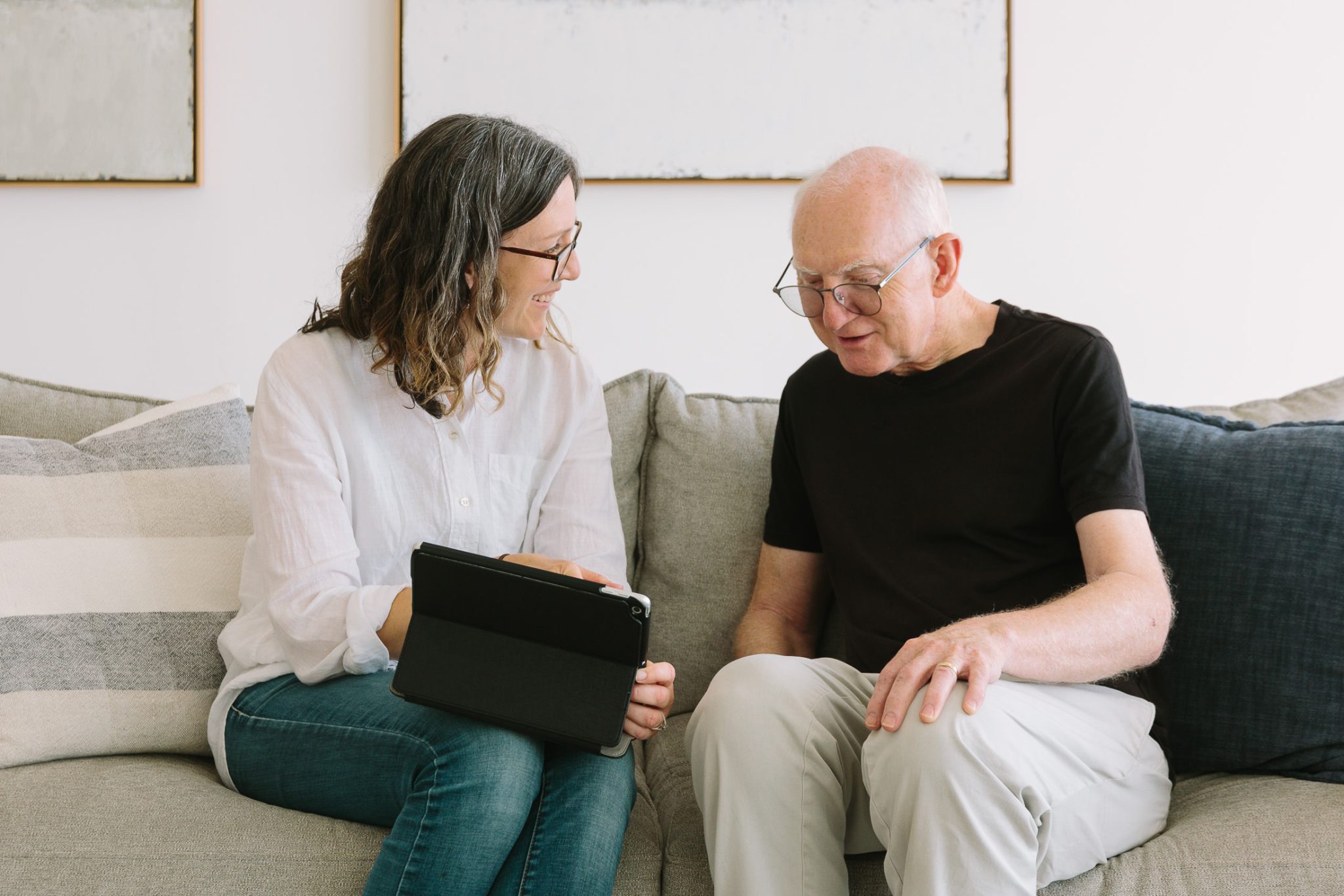
After a brain injury, stroke, or neurological diagnosis such as multiple sclerosis or motor neurone disease, life can suddenly look and feel very different. Many people describe it as waking up to a new version of themselves they didn’t choose. Everyday tasks might take longer, energy is limited, and even emotions can feel unpredictable.
It is understandable to experience frustration, sadness, or anger as you adjust to these changes. Thoughts like “I just want my old life back” often arise when coping with significant shifts in identity and independence. At ONE Rehabilitation Service, our psychology team works with clients to navigate this emotional recovery because rehabilitation isn’t just physical. Acceptance takes time, and that’s okay. Our goal is to help you regain recovery and build confidence again, even when things look different than they once did.
What “Acceptance” Really Means
Acceptance doesn’t mean giving up or pretending everything is fine. It means learning to acknowledge what’s changed while still finding ways to live a meaningful, satisfying life.
After neurological injury, people often move through stages similar to grief: denial, anger, sadness, and eventually gradual acceptance. These stages aren’t linear; some days you might feel hopeful, and the next day everything feels too hard again. That’s part of the process.
This stage of recovery is about more than physical healing. It involves processing loss, rebuilding identity, and finding new ways to live meaningfully. These emotional changes are a critical part of rehabilitation because they shape resilience, motivation, and long-term wellbeing.
Why It’s So Hard to Adjust
Adjusting to a new reality is emotionally complex because your brain, body, and identity have all changed at once.
You might experience:
- Loss of independence: needing more help than before
- Fatigue and frustration: small tasks now take huge effort
- Grief: for the plans, roles, or hobbies you’ve had to give up
- Changes in relationships: others may treat you differently or not understand what you’re going through
- Fear about the future: worrying about relapse, work, or finances
These reactions are completely normal. In fact, research shows that mood changes and adjustment difficulties are among the most common psychological effects of brain injury and neurological illness, not signs of weakness.
How Psychology Can Help
Working with a psychologist can help you process these feelings, rebuild resilience, and rediscover purpose.
At ONE Rehabilitation Service, our psychologists use evidence-based approaches tailored to each person’s cognitive and emotional needs.
1️⃣ Create a Safe Space to Talk
You might not want to burden your family, or you might struggle to explain what you’re feeling. In therapy, you can speak freely without needing to filter or protect others.
2️⃣ Understand and Reframe Emotions
We can help you understand where emotions like anger, guilt, or sadness come from, and how to manage them in healthier ways. For example, using techniques from Acceptance and Commitment Therapy (ACT) and Cognitive Behavioural Therapy (CBT), we focus on recognising unhelpful thoughts and shifting attention toward what gives your life meaning now.
3️⃣ Rebuild Identity and Purpose
After injury, it’s easy to feel like you’ve “lost” yourself. Therapy helps you explore who you are now, not just what’s changed, but what still matters. Together, we identify values, strengths, and activities that bring you a sense of connection and achievement.
4️⃣ Manage Fatigue and Motivation
Psychologists work alongside occupational therapists and physiotherapists to help you understand how fatigue affects mood and thinking. We work with you on pacing, goal setting, and reward systems that make daily life more manageable.
5️⃣ Support Relationships and Communication
Many couples and families struggle after brain injury or neurological illness. We can help you and your loved ones understand each other’s needs, improve communication, and navigate new roles with empathy and teamwork.
Real-Life Example
One client shared that after her stroke, she avoided social events because she felt “different” and didn’t want people to notice her speech changes. Through therapy, she learned small strategies to rebuild confidence, starting with short visits with close friends, practising self-compassion, and focusing on what she could do.
Acceptance didn’t happen overnight, but over time, she found her new normal, one where connection mattered more than perfection.
The Long Game: Acceptance as Growth
Acceptance isn’t a finish line, it’s a process of ongoing growth. Every time you adapt, problem-solve, or show up for therapy even when it’s hard, you’re practising acceptance.
Psychology gives you tools not just to cope, but to rebuild hope and meaning. With time and support, people often find that life after injury, while different, can still be deeply fulfilling.
When to Seek Help
If you’re feeling stuck, overwhelmed, or noticing changes in mood, motivation, or relationships, it might be time to reach out. Early psychological support can prevent depression and anxiety from taking hold and can make the rehabilitation process more effective and sustainable.
 Contact ONE Rehabilitation Service to book a psychology appointment.
Our team specialises in working with people with brain injury, stroke, and neurological conditions, helping you strengthen your emotional wellbeing as you recover physically.
Because healing isn’t just about movement. It’s about mindset, meaning, and rediscovering who you are.